The humanitarian crisis across the Gaza Strip remains extremely serious, with harsh winter weather threatening to reverse recent gains in aid delivery, the United Nations said on Monday.
The humanitarian crisis across the Gaza Strip remains extremely serious, with harsh winter weather threatening to reverse recent gains in aid delivery, the United Nations said on Monday.
Ukraine has entered the new year under intensifying and deadly Russian attacks which have crippled energy systems and left millions without heating, electricity or water amid freezing temperatures, senior UN officials told the Security Council on Monday.
Sudan’s protracted conflict has spiralled into one of the world’s most severe humanitarian crises, with hunger, displacement and the collapse of basic services exacting a daily toll on civilians.
|
|
|
|
|
|
|
|
|
|
|
|
|
|
|
Aid agencies marked 1,000 days of war in Sudan on Friday with a grim reminder that the conflict has created the world’s biggest hunger crisis and largest displacement emergency. Every day, civilians have been “paying the price for a war they did not choose”, said UN aid coordination office, OCHA.
UN agencies are supporting efforts on Friday to keep energy services up and running in Ukraine, and families warm amid freezing winter temperatures, following a large-scale overnight attack.
Despite reductions in the overall number of conflict-related incidents in South Sudan, a rise in abductions and sexual violence is concerning, the UN peacekeeping mission in the country, UNMISS, said on Friday.
The UN has raised serious concerns ahead of Uganda’s elections scheduled for 15 January, warning they will take place in an environment marked by widespread repression, intimidation and shrinking civic space.
Progress continues to be made towards eliminating remnants of the chemical weapons programme in Syria that was developed under the Assad regime, the UN Security Council heard on Thursday.
Several parts of Ukraine were hit by a new wave of Russian strikes between Wednesday and Thursday morning.
UN Secretary-General António Guterres continues to be gravely alarmed by escalating hostilities in Aleppo, Syria, and mounting reports of civilian casualties, his Spokesperson said on Thursday.
An independent human rights expert has urged the international community to reject the electoral process organised by Myanmar’s military government, after the first round of voting revealed widespread coercion, exclusion and violence.
At least five civilians have been killed and some 30,000 people displaced following renewed fighting in Aleppo, Syria, prompting calls from the UN for immediate de-escalation and a return to political talks.
Almost four years since Russia’s full-scale invasion of Ukraine, aid teams continue to adapt to the lethal reality of working in a modern war zone.
Some two decades after a shaky political transition, Iraq today is a country “at peace, with increased security and a clear determination to win the battle of development,” says the UN resident coordinator for Iraq on Wednesday.
Responding to the seizure of Venezuela President Nicolás Maduro by the United States, UN human rights chief Volker Türk on Tuesday reiterated deep concerns that the military operation undermined fundamental protections for sovereign countries.
Thirteen more lives – including children – were reportedly lost on Tuesday in another drone attack on Sudan’s North Kordofan region.
Thousands of displaced people in northern Syria are struggling to cope with freezing conditions after a severe snowstorm struck dozens of displacement sites, the UN aid coordination office (OCHA) said on Tuesday.
The Security Council met in emergency session in New York to address the US rendition of Venezuela’s President Nicolás Maduro from Caracas, a move that has sent shockwaves through the region and beyond. The UN chief António Guterres told ambassadors there must be respect for national sovereignty, “political independence and territorial integrity,” after warning on Saturday that the US had set a “dangerous precedent” for the world order. Follow the historic meeting live below from the UN Meetings Coverage team, and UN News app users can click here.
Invoking the bedrock principle prohibiting the use of force against the territory and independence of any State, the UN Secretary-General told the Security Council on Monday there must be “full respect” for the UN Charter, in the face of the United States military intervention in Venezuela and seizure of President Nicolás Maduro.
In Sudan, civilians continue to bear the brunt of escalating violence, particularly in the Darfur and Kordofan regions.
As protests in the Iranian capital, Tehran – sparked by increasing economic hardship and a cost-of-living crisis – continued for a ninth day, the UN Secretary-General said he was “deeply saddened by the reported loss of life and injuries,” resulting from clashes between security forces and protesters.
The UN Security Council met on Monday against a sharply altered diplomatic backdrop, following US strikes on the Venezuelan capital and seizure of President Nicolás Maduro.
The UN Secretary-General Antonio Guterres has said he is “deeply alarmed” over the standoff between the United States and Venezuela in recent months, which culminated on Saturday morning in the capture of President Nicolás Maduro by US special forces.
A teenage Haitian girl who was forced to flee her home in Haiti’s capital, Port-au-Prince, due to gang violence has urged adults not to “give up on children.”
Humanitarian partners in the Gaza Strip are struggling to reach hundreds of thousands of vulnerable people as winter storms batter damaged homes and temporary shelters.
From deploying peacekeepers to conducting quiet – but at times heated – diplomacy, the UN Security Council sits at the heart of global decision-making on war and peace. As of January, five new countries will have a seat around the iconic horseshoe table.
As 2026 begins, residents of the Gaza Strip are confronting life in displacement camps and among the ruins of destroyed neighbourhoods – facing deep uncertainty after months of war and devastation.
The UN Secretary-General has condemned amendments adopted by Israel’s Knesset to a law aimed at ceasing the operations of the UN agency assisting Palestine refugees (UNRWA), saying the measures must be immediately repealed.
Voting proceeded largely as planned in the Central African Republic’s first-ever combined presidential, legislative, regional and municipal elections, and ballot counting is now complete, the UN peacekeeping mission (MINUSCA) said on Wednesday, with results expected to be announced on 5 January.
A sixth child has died in Gaza this month as the enclave’s people continue to endure dire living conditions linked to freezing rains and the Israel-Hamas war, the UN Children’s Fund (UNICEF) has announced. The development comes as aid agencies urged Israeli authorities to reconsider revoking the licences of dozens of humanitarian partners that provide assistance across the devastated enclave from 1 January.
Recent attacks across Ukraine have killed civilians, damaged critical infrastructure and cut heating and power supplies for millions, UN humanitarians report, as temperatures drop below freezing.
Sudan’s deepening war is driving unprecedented levels of hunger, child malnutrition and displacement, UN agencies report, as new data from Darfur and a renewed refugee influx into Chad underscore the rapidly deteriorating situation.
Sexual violence against children has become entrenched, systemic and increasingly widespread across the Democratic Republic of the Congo (DRC), with new data showing a sharp rise in cases since 2022, according to the UN Children’s Fund (UNICEF).
Mr. President,
Excellencies,
Ladies and gentlemen.
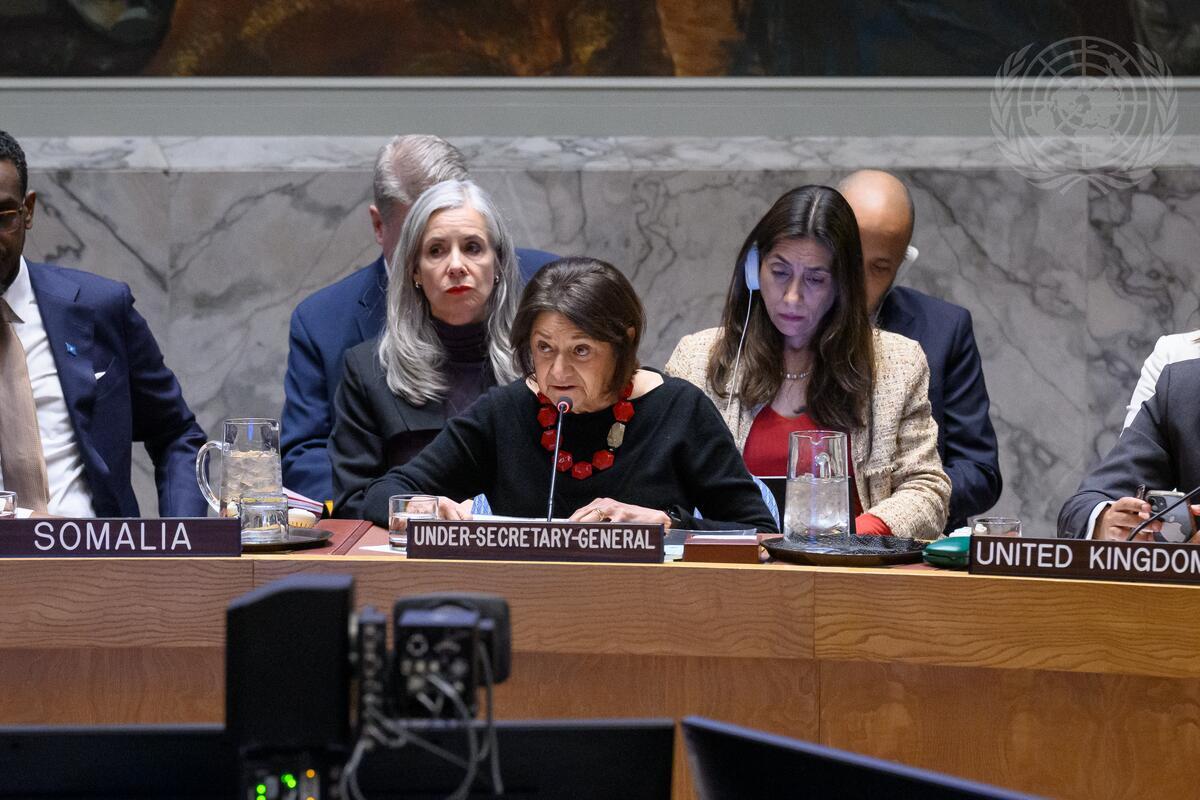
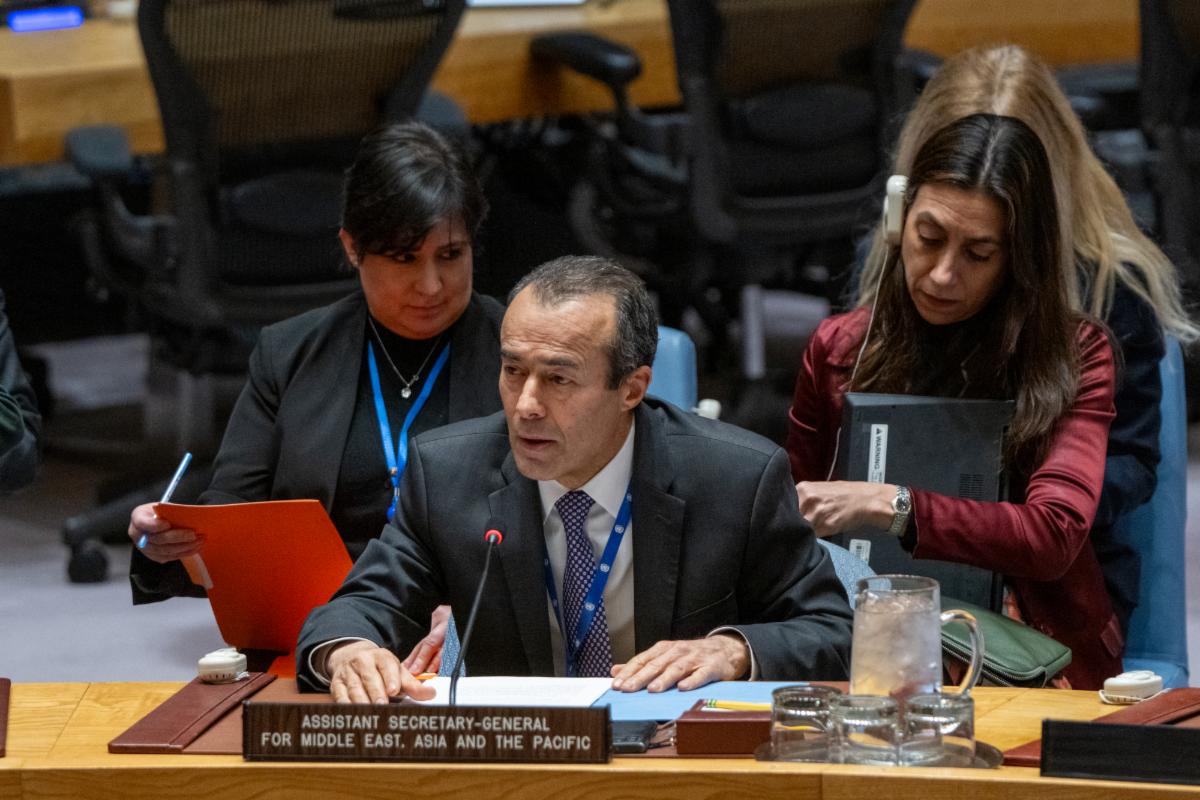
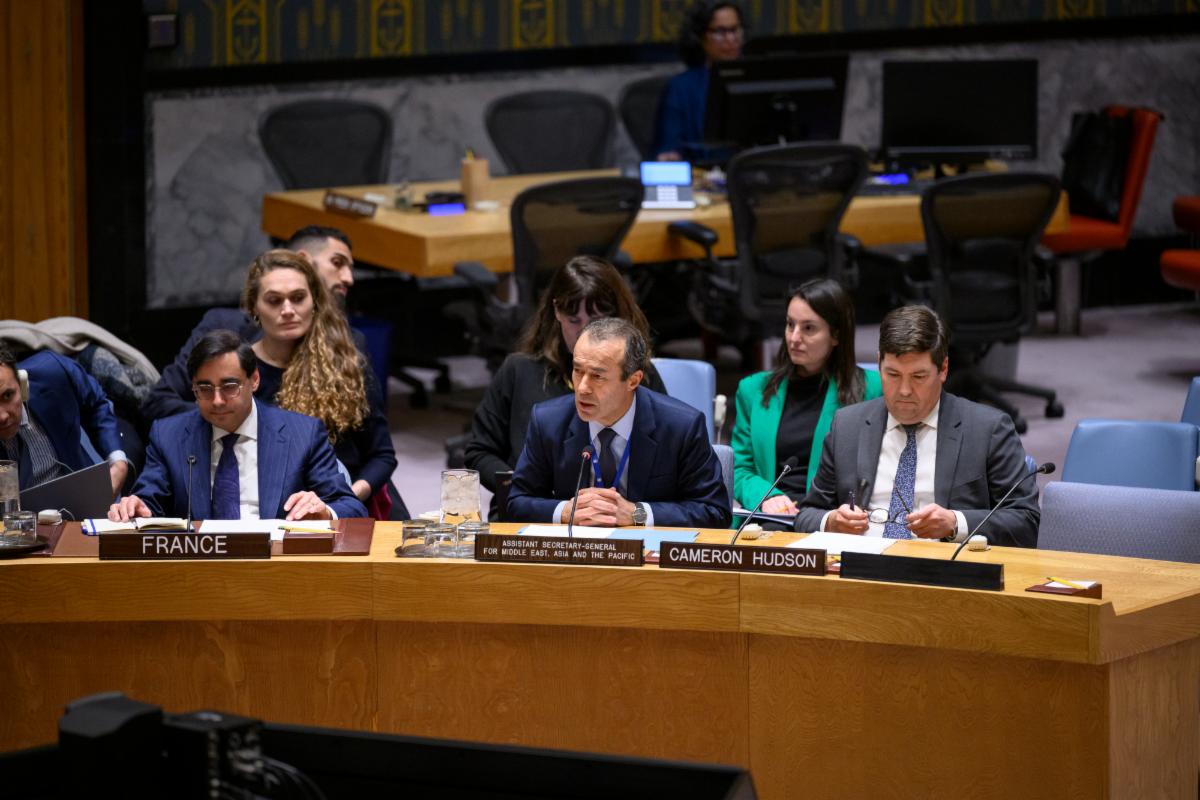
On 26 December, Prime Minister Netanyahu announced Israel’s official recognition of “Somaliland” as an independent and sovereign state.
Subsequently, on the same day, “Somaliland” issued a statement welcoming what it termed a “historic and principled” decision by the State of Israel to officially recognize what it described as its sovereignty and independence. The statement noted that the recognition represented a milestone in “Somaliland’s” longstanding pursuit of international legitimacy, and what it asserted its historical, legal, and moral entitlement to statehood. Moreover, the statement affirmed that the recognition gave rise to the establishment of full diplomatic relations between “Somaliland” and the State of Israel and will proceed to deepen cooperation across a broad range of sectors.
Mr. President,
In response to these developments, the Federal Government of Somalia issued a statement reaffirming its absolute and non-negotiable commitment to its sovereignty, national unity and territorial integrity as enshrined in the Provisional Constitution of the Federal Republic of Somalia, the Charter of the United Nations and the Constitutive Act of the African Union. The Federal Government of Somalia further stated that it categorically and unequivocally rejected what it characterized as a deliberate attack on its sovereignty.
The Somali statement further noted that no external actor has the authority or standing to alter its unity or territorial configuration. Therefore, according to the statement, Somalia considers any declaration, recognition, or arrangement that seeks to undermine this reality to be null and void and without any legal or political effect under international law.
In its statement, Somalia also underscored that it would not permit the establishment of any foreign military bases or arrangement that would draw the country into proxy conflicts or import regional and international hostilities into this region. The Federal Government of Somalia warned that actions of this nature seriously undermined regional peace and stability and exacerbated tensions in the region.
On 27 December, a joint session of Somalia’s two Houses of Parliament also condemned and rejected what it termed the “unlawful” recognition of “Somaliland” by Israel. In a statement, the parliament further noted that “any recognition by Israel or any other country is null and void, without legal basis, and has no international legal effect.”
Mr. President,
Israel’s announcement prompted widespread reactions from the region and beyond, including from Egypt, Jordan, Djibouti, Saudi Arabia, Türkiye, among others, as well as a joint statement by 20 Middle Eastern and African countries rejecting and condemning Israel’s recognition of “Somaliland”. Several regional organizations have issued similar statements stating the importance of respecting the unity, the sovereignty and the territorial integrity of the Federal Republic of Somalia, including the League of Arab States, the Eastern African Community, the Organization of Islamic Cooperation, and the European Union. The Chairperson of the African Union Commission, on 26 December, rejected any recognition of “Somaliland” and reaffirmed the African Union’s unwavering commitment to the unity and sovereignty of Somalia. The Chairperson of the Commission further noted that any attempt to undermine the unity, sovereignty, and territorial integrity of Somalia runs counter to the fundamental principles of the African Union and risks setting a dangerous precedent with far-reaching implications for peace and stability across the continent.
In closing, Mr. President, I would like to recall, as has the Secretary-General, that the Security Council has repeatedly affirmed the respect for the sovereignty, territorial integrity, political independence and unity of Somalia, as most recently reaffirmed in resolution 2809 (2025) of 23 December 2025. I also call on Somali stakeholders to engage in peaceful and constructive dialogue, in particular recalling the 2023 Djibouti Communique on talks between the Federal Government of Somalia and “Somaliland”.
I thank you.
The UN Security Council meets today to hear a briefing on threats to international peace and security following Israel’s recent recognition of the northern region of Somalia as an independent and sovereign state. Follow live below and UN News app users can click here and go here for all our in-depth meeting coverage.
As the world enters 2026 amid mounting crises, the UN Secretary-General António Guterres has issued a stark but hopeful New Year appeal, urging global leaders to shift resources away from destruction and towards development, peace and people.
By Rosemary DiCarlo, Under-Secretary-General for Political and Peacebuilding Affairs
We are coming to the end of one of the most challenging years in the history of the United Nations. The catastrophic war between Israel and Hamas, the carnage in Sudan and the devastating fighting in Ukraine were only three of the acute crises the global community grappled with in 2025. Violent conflicts killed thousands of civilians around the world and led to widespread destruction of livelihoods and infrastructure. Global political divisions deepened, making international cooperation to promote peaceful resolution of conflict even more difficult. Compounding this dire situation, the United Nations — the body charged with bringing the world together to maintain peace and security — is facing a financial crisis that is constraining its capacity to respond.
As tough as the year has been, it has also served to confirm the need for sustained and adequate investment — political and financial — in peace efforts. The successful push to increase support for Haiti as it tackles widespread criminal violence that also threatens the region is a case in point. At times like these it is equally crucial to remember that peace is not only the absence of war, but that it is often built gradually, sometimes painstakingly, with gestures and actions big and small. As you’ll see in the stories and pieces we’ve compiled here, much of the world continues to look to the United Nations for support in creating or bolstering the institutions that prevent conflict, consolidate democracy and lay the ground for economic development. That is what we do in the Department of Political and Peacebuilding Affairs (DPPA) when we help countries hold inclusive elections or help competing groups settle differences at the negotiating table instead of the battlefield. We monitor global developments to keep the Security Council and the United Nations leadership informed and prepared to act to foster peace. We back up the work of the Council’s sanctions mechanisms. And we put the vast expertise and experience gathered over the last 80 years to work to help countries make the transition from violent turmoil to stability, including in many of our special political missions.
The international political environment is indeed difficult, but our commitment to supporting countries in their efforts to prevent and resolve conflict and build sustainable peace is undiminished. We look to the global community in turn to continue to back our work, politically and financially, to enable us to fulfill our important mandate.
Here’s a quick look at some of our areas of work as covered in our online newsletter, Politically Speaking.

DPPA and the UN system provided electoral assistance to over 40 countries in 2025. In October, we looked at how this support aims to make elections worldwide peaceful, inclusive, and credible, always at the request of Member States and under national ownership. It highlights local examples — from Malawi to Liberia, Vanuatu, Ecuador, Jordan, and others — to show how assistance is adapted to each country’s needs, whether through strengthening electoral institutions, improving laws, supporting information integrity, or ensuring that women, youth, persons with disabilities and other marginalized groups can participate fully. Demand for UN electoral support is growing, even as funding declines, and multiple UN entities coordinate this work as a cost effective investment in good governance and conflict prevention.
“Genuine elections that reflect the will of the people are not guaranteed. Gains can be reversed. Sustained commitment and investment are essential to ensure inclusion, protect electoral integrity and maintain public trust.”

UN sanctions have evolved from broad, country-wide measures to more targeted tools — such as arms embargoes, travel bans and asset freezes — aimed at specific individuals, groups or sectors that threaten international peace and security. Today, 14 sanctions regimes support conflict resolution, counter terrorism and non-proliferation, and are designed to work alongside diplomacy, mediation and peace operations rather than punish entire populations.
“Security Council sanctions can be broadly considered as measures strategically imposed to restrict activities in a wide range of areas, aimed at achieving peace and security objectives.”

DPPA was a partner in the “Through Her Lens: Women Rising for Peace” photo exhibit, launched at the 2025 Photoville Festival. The exhibit showcases women as protagonists in making and keeping peace, challenging the stereotype of women as only victims of war.
“These images are more than art — they are a collective story of resilience, acts of resistance, and transformation.”

Recent IMF research shows that well targeted macroeconomic policies can be a highly cost effective tool for preventing armed conflict. It is estimated that every $1 spent on prevention can yield returns of $26–$75 in countries without recent violence and up to $103 in countries emerging from conflict.
We looked at how DPPA and its Peacebuilding Support Office apply a “prevention lens” in practice, working with international financial institutions and governments to design and implement national prevention and peacebuilding plans, support youth empowerment and inclusion, and engage early in fragile contexts through diplomacy, mediation and local peacebuilding efforts.
“We found that an ounce of prevention is worth a pound of cure.”

Indigenous Peoples, though disproportionately affected by climate risks and conflict, remain underrepresented in decision-making, even as they steward a large share of the world’s land and biodiversity. In 2025, we examined Indigenous-led, climate-informed peacebuilding, focusing on the shift from viewing Indigenous communities as vulnerable groups to recognizing them as key partners.
“Please don’t worry about us, just include us.”
The situation in five countries on the Security Council’s agenda — and monitored by DPPA — saw significant developments in 2025, reflecting, notably, the effects of a substantially changed geopolitical landscape.

Gaza continued to retain much of the Security Council’s attention during 2025. DPPA and UNSCO, the Jerusalem-based special political mission it oversees, briefed the Council regularly on the impact of the fighting in the territory and the need to reach a ceasefire, release the hostages and prisoners and allow the unimpeded delivery of aid into Gaza. In September, the United States, with Egypt and Qatar, brokered a ceasefire in Gaza, which was welcomed by the Secretary-General and later endorsed in October by the Council in resolution 2803. Briefing the Council in December, Ramiz Alakbarov, Deputy Special Coordinator for the Middle East Peace Process, said the ceasefire “remains fragile, as we have seen with continued attacks and strikes in Gaza.” He welcomed the “ongoing efforts by the mediators to avert further escalation, support implementation of current commitments — including the recovery and return of the last Israeli hostage — and to advance discussions on the next phase and implementation of the Comprehensive Plan for Gaza, in line with UN Security Council Resolution 2803.” UNSCO and DPPA continue to support the implementation of the ceasefire by supporting humanitarian efforts and providing expertise and advice on ceasefire implementation to pave the way toward a path to a political process and sustainable peace.

Amid broadly somber global political sentiment at the beginning 2025, there were some signs of hope, and none more prominent than the change of government in Syria after decades of repression and 14 years of a bloody conflict. As Bashar al-Assad fled Syria in December 2024, the Secretary-General said: “We will need the support of the international community to ensure that any political transition is inclusive and comprehensive and that it meets the legitimate aspirations of the people of Syria, in all their diversity.” Many countries lifted bilateral sanctions on Syria in 2025, and in November, the Security Council removed Syrian President Ahmed al-Sharaa and Minister of Interior Anas Hasan Khattab from its ISIL (Da’esh) and Al-Qaida Sanctions List. In December 2025, Under-Secretary-General Rosemary DiCarlo told the Security Council that, “[o]ne year ago, the hope of millions of Syrians was realized when then President Assad fled the country.” She commended the people of Syria for the progress made since, “despite the undeniable and daunting challenges before them.” She added that the Office of the Special Envoy of the Secretary-General for Syria, the special political mission for the country, continues to be fully engaged with the Government and Syrian society and provides them with good offices support on issues related to the transition, including transitional justice. The Office, with DPPA support, is seeking to be on the ground in Damascus to engage in a structured and supportive way throughout the transition.

In Sudan, however, there is no end in sight to the war. After nearly 1000 days of brutal fighting between the Sudanese Armed Forces (SAF) and the Rapid Support Forces (RSF), the country is in the grip of the world’s largest humanitarian crisis. Throughout 2025, UN leaders condemned the violence at the hands of both parties. In October, shortly after the fall of El Fasher to the RSF, Assistant Secretary-General Martha Pobee warned: “The risk of mass atrocities, ethnically targeted violence and further violations of international humanitarian law, including sexual violence, remains alarmingly high across the country, and particularly in El Fasher.”
The situation is simply horrifying. In the past week, the UN Human Rights Office has documented widespread and serious human rights violations in and around El Fasher. These include credible reports of mass killings in various locations and summary executions during house-to-house searches and as civilians have tried to flee the city.
The conflict is being fanned by other countries in the region and farther afield. As Assistant Secretary-General Khaled Khiari told the Council in December, “The continued supply of weapons — increasingly sophisticated and deadly — remains a key driver of the conflict. Sudan is saturated with arms. Calls to end these flows have gone unheeded, and there has been no accountability. Moreover, the parties remain unwilling to compromise or de-escalate. While they were able to stop fighting to preserve oil revenues, they have so far failed to do the same to protect their population.”

The Secretary-General’s Personal Envoy for Sudan, Ramtane Lamamra, is in contact with the warring parties to encourage them to engage in discussions on concrete and implementable measures to de-escalate violence and advance the protection of civilians in Sudan. Lamamra is also engaging closely with members of the Quad, composed of the United States, Egypt, Saudi Arabia and the United Arab Emirates. “Consistent coordination of peace efforts is essential to increase our collective impact,” Khiari said, adding that preparations are underway for the fifth Consultative Meeting on Enhancing Coordination of Peace Initiatives. The next meeting is expected to be held in Cairo in early 2026.

The situation remained critical in Haiti in 2025, but there was also a significant breakthrough. The Security Council in September authorized the creation of a multinational, non-UN mission — the Gang Suppression Force — to counter the criminal groups terrorizing the population. The Council took on board several important recommendations by the Secretary-General to make increased security support for Haiti more effective, notably the establishment of a support office funded by the UN’s peacekeeping budget — UNSOH — to provide logistical and other backing to the GSF. Speaking to the Council in October, the Special Representative of the Secretary-General for Haiti Carlos Ruiz Massieu said the establishment of the GSF and UNSOH reflected “the continued engagement of the Security Council in supporting the restoration of security in Haiti. More importantly, it has generated a renewed sense of hope among Haitians.” He emphasized that improving the security situation is vital to support Haitian-led efforts to advance the political process and set the stage for elections to renew the country’s political institutions. The Special Representative heads BINUH, the UN’s special political mission in Haiti.
In Libya, too, there was progress in 2025 in preparation for future elections. Through its integrated electoral team, UNSMIL continued to provide technical and advisory support to the High National Elections Commission (HNEC) in the organization of municipal council elections across the country. Building on the successful polling conducted in November 2024, HNEC implemented a phased nationwide approach, with polling conducted in over one hundred municipalities in 2025 and additional local elections anticipated in 2026. In December, the UN Support Mission in Libya (UNSMIL) announced the launch of a key step in an initiative announced at the end of 2024 to help clear a path to national elections and unified institutions. On 14 and 15 December, over 120 Libyan personalities — representing key sovereign institutions, civil society actors, political parties, academia, cultural and linguistic components — took part in the inaugural session of the Structured Dialogue, a forum mandated to generate recommendations to, among others, create the conditions for credible elections, bring an end to successive transitional arrangements, advance economic and security sector reforms and support national reconciliation and human rights. The Structured Dialogue is an integral part of the political roadmap that UNSMIL is facilitating and that Special Representative of the Secretary-General for Libya Hannah Tetteh presented to the Council in August. Addressing the Council in December, Tetteh, the head of UNSMIL, said “the country’s path to elections remains fraught with complications that are challenging, but we believe can be overcome.”

In February, as the expanded war in Ukraine hit the three-year mark after the full-scale Russian invasion, Under-Secretary-General DiCarlo underscored the need for a just and comprehensive peace, in line with the Charter of the United Nations, international law, and resolutions of the General Assembly. A month later, the Under-Secretary-General told the Council that it was meeting at a potential inflection point in the war amid intensified efforts to bring the parties to negotiations. However, despite cautious optimism around resumed diplomatic efforts, 2025 has been particularly deadly for Ukrainian civilians. In November, the Under-Secretary-General visited Ukraine to express solidarity with the Ukrainian people and reiterate the call for a just and lasting peace. In Ukraine and before the Council throughout 2025, the Under-Secretary-General and other senior DPPA officials consistently conveyed the UN’s readiness to support all meaningful efforts to achieve such a peace.
|
|
|
|
|
|
|
|
|
|
|
|
|
|
|
|
|
UN Secretary-General António Guterres “unequivocally condemns” the deadly terrorist attack on a mosque in Homs, Syria during Friday prayers, his spokesperson said in a statement
The UN has urged Sudan’s warring parties to pursue compromise and an immediate ceasefire, even as drone attacks, displacement and the killing of peacekeepers underscore the growing risks to civilians and humanitarians.
One United Nations peacekeeper was injured on Friday after heavy machine gunfire from Israel Defense Forces (IDF) positions south of the Blue Line, following a nearby grenade explosion, impacted close to a UN patrol in southern Lebanon.
With Central Africans set to vote in presidential, legislative, regional and long-delayed municipal elections this weekend, the United Nations has appealed for calm and restraint, warning that the credibility of the process will be critical to consolidating peace after years of conflict and instability.
The UN has long been at the forefront of efforts to involve young people in decision-making, and the last decade has seen significant progress, thanks to the adoption of a Security Council resolution on youth, peace and security which led to widespread changes in the ways that the voices of young people are not just heard, but also incorporated in peace plans and policies.
Thank you, Mr. President, Excellencies,
The United States’ military presence and operations in the Southern Caribbean, off the coast of Venezuela, have increased since this Council last discussed the situation on 10 October, further heightening tensions between the two countries.
The United States described its military deployment as part of a, quote, “non-international armed conflict”, unquote, against drug cartels and drug trafficking, invoking Article 51 of the Charter of the United Nations. President Donald Trump has stated that he is going to use “the full power of the United States to take on and eradicate these drug cartels no matter where they’re operating from”.
The Venezuelan Government, including its Permanent Representative, has described the measures by the United States as a serious threat to international peace and security. Most recently, in a letter dated 16 December and addressed to the President of the Security Council, the Minister of Foreign Affairs of Venezuela asserted that the United States is violating the principle prohibiting the threat or use of force in international relations.
Mr. President,
US strikes on vessels alleged to be illegally carrying drugs in the Southern Caribbean Sea and the Eastern Pacific have continued. According to United States authorities, 105 individuals have been killed in these strikes since 2 September. Officials have stated that the strikes have taken place in “international waters” or in the “SOUTHCOM area of responsibility”. The exact locations of these incidents have not been disclosed.
In a statement on 31 October, the High Commissioner for Human Rights said that “the airstrikes by the United States of America on boats in the Caribbean and the Pacific – allegedly linked to drug trafficking -- violate international human rights law”. The High Commissioner added that “countering illicit trafficking of drugs across international borders is – as has long been agreed among States – a law-enforcement matter, governed by the careful limits on lethal force set out in international human rights law”. He called for prompt, independent and transparent investigations.
Mr. President,
In late November, President Nicolás Maduro and President Trump held a telephone conversation.
On 24 November, the United States designation of the Cartel de los Soles [kaɾˈtel de los ˈsoles] as a foreign terrorist organisation entered into force under US law. Subsequently, the United States imposed additional measures against organizations and individuals it alleges are linked to these activities.
On 29 November, President Trump declared that the airspace above and around Venezuela should be considered “closed in its entirety.” This followed an alert issued by the US Federal Aviation Administration a few days earlier, warning major airlines of a “potentially hazardous situation when flying over Venezuela”. Since then, most international airlines have suspended or cancelled flights to and from the country. Venezuelan authorities have described this as an attempt to impose an “air blockade”.
The International Civil Aviation Organization issued a statement on 1 of December recalling that, and I quote, “Article 1 of the 1944 Convention on International Civil Aviation recognizes that every State has complete and exclusive sovereignty over the airspace above its territory”, end of quote. The statement further noted, and I quote: “Any State can issue any information to its own operators regarding risks for flights over or in proximity of any geographic zone, including of another State”, end of quote.
On 10 December, tensions increased further when President Trump announced that the United States had seized an oil tanker off the coast of Venezuela, stating that the Government of Venezuela was using oil to finance criminal activities. He also declared that, and I quote: “The Venezuelan regime has been designated a foreign terrorist organization” under United States laws and ordered “a total and complete blockade of all sanctioned oil tankers going into and out of Venezuela”, end of quote.
Subsequently, United States authorities imposed sanctions on six shipping companies operating in Venezuela’s oil sector and six vessels allegedly associated with these companies, which the US claims “have engaged in deceptive and unsafe shipping practices”.
Venezuelan authorities described these actions as a “unilateral naval blockade”. In identical letters dated 17 December and addressed to the Secretary-General and the President of the Security Council, the Permanent Representative of Venezuela stated that US actions violate Venezuela’s national sovereignty, territorial integrity and political independence. The letter further asserted that “the naval blockade, imposed unilaterally”, constitutes “a violation of international law.”
In recent days, reports indicate that the Venezuelan navy has been escorting ships departing its ports with petroleum products.
On 20 December, the United States interdicted another tanker off the coast of Venezuela that was transporting oil from Venezuela. According to United States announcements, the vessel was suspected of carrying oil subject to sanctions under US laws.
On 21 December, the US Coast Guard pursued a third oil tanker off the coast of Venezuela. Reportedly, the ship did not submit to boarding during the attempted interdiction and continued sailing away from the Caribbean Sea.
US actions have received support from some regional allies, but other Member States within and beyond the region have voiced concern over the militarization of the Southern Caribbean and stressed the importance of respecting national sovereignty and international law. Several Member States have echoed calls for de-escalation and dialogue to address ongoing tensions.
Mr. President, Excellencies,
In September, citing external threats, President Maduro enacted a decree expanding the Government’s emergency powers. Public life has become further militarized, while Venezuelans continue to face serious human rights concerns and socioeconomic challenges.
The UN Human Rights Office reported coerced enlistment into the Bolivarian Militia, including adolescents and older persons.
The High Commissioner has also reported on sweeping restrictions on freedom of expression and peaceful assembly; arbitrary detention and enforced disappearances; as well as acute social and economic strain. He called for an immediate end of enforced disappearances, incommunicado detention, and unauthorized transfers of detainees to unknown locations.
The High Commissioner further reiterated the disproportionate impact of broad sectoral sanctions on Venezuela’s most vulnerable populations, noting that these measures also hinder the work of human rights and humanitarian organizations. He called for the sanctions to be reassessed and lifted.
Venezuela’s economy was already extremely fragile, with soaring inflation, currency instability, and widespread income erosion. Millions are unable to meet basic needs. Recent air and maritime restrictions, along with reduced exports, risk further constraining the Government’s fiscal ability to deliver basic public services.
As the humanitarian situation deteriorates, the United Nations and its partners continue to work and deliver assistance in support of the Venezuelan people, including through recent financial allocations of the United Nation’s Central Emergency Response Fund, and the Venezuela Humanitarian Fund.
Mr. President,
On 17 December, at his request, President Maduro held a telephone conversation with the Secretary-General. The Secretary-General reaffirmed the United Nations position on the need for Member States to respect international law, particularly the United Nations Charter, exercise restraint and de-escalate tensions to preserve regional stability.
The Secretary-General stands ready to support all efforts at diplomatic engagement, including the exercise of his good offices, if both parties so request it. He welcomes initiatives by Member States, offers for mediation, and proposals for peaceful solutions.
Dialogue is the only viable path toward lasting peace and preventing further instability and human suffering.
Thank you, Mr. President.
Mister President,
Thank you for the opportunity to brief the Security Council on the implementation of resolution 2231 (2015).
As the Secretary-General noted in the report before you, despite intensified diplomatic efforts during the second half of 2025, there was no agreement on the way forward regarding the Iran nuclear programme.
On 28 August 2025, France, Germany and the United Kingdom – referred to as the E3 States - notified the Council of their intention to trigger the snapback mechanism of resolution 2231 (2015).
They attributed their decision to what they described as the “significant non-performance” by the Islamic Republic of Iran of its commitments under the Joint Comprehensive Plan of Action (JCPOA).
In accordance with the snapback procedure, as the Council did not adopt a resolution to continue the termination of measures within 30 days from the E3 letter, the previously existing sanctions on the Islamic Republic of Iran were re-applied on 27 September 2025.
This entailed reinstating the website of the 1737 sanctions Committee and the corresponding sanctions list.
Several relevant Member States rejected the validity and effect of the snapback process. Specifically, some members asserted that the process was “procedurally and legally flawed.”
Member States also expressed differing viewpoints regarding the status of the resolution in the aftermath of 27 September.
Mister President,
In its latest report of 12 November 2025, the International Atomic Energy Agency (IAEA) recalled that the Islamic Republic of Iran had stopped implementing its nuclear-related commitments under the JCPOA as of 23 February 2021.
The Agency was nevertheless still able to verify and monitor some of these commitments through activities implemented pursuant to Iran’s NPT Safeguards Agreement.
Specifically, the Agency has verified that, during this period, Iran has exceeded the limits on its nuclear programme as stipulated in the JCPOA.
On 18 October 2025, the Agency reported that it had no information on the status of the stockpiles of enriched uranium in Iran.
The IAEA concluded that a commonly agreed framework with the support of countries concerned was necessary to ensure that Iran’s nuclear programme was exclusively peaceful.
The agency also noted the readiness of its Director General to engage with Iran at the earliest opportunity to work constructively to this end.
Turning to the remaining restrictive measures set out in annex B to resolution 2231 (2015), namely, those pertaining to nuclear activities and transfers, the Secretariat did not receive any allegations of violations of these provisions during this reporting period.
Furthermore, no new proposals have been submitted through the procurement channel during the reporting period.
The Security Council did, however, receive six notifications regarding the nuclear-related restrictive measures for certain activities consistent with the JCPOA.
Mister President,
Notwithstanding the significant differences between the relevant parties on the way forward regarding resolution 2231 (2015) and the JCPOA, all of them have continued to emphasize the importance of a diplomatic solution and expressed overall readiness to engage with each other for this purpose.
Indeed, as the Secretary-General has stated, a negotiated settlement that would secure the overall objectives of ensuring a peaceful Iranian nuclear programme and providing sanctions relief is the best option available to the international community.
The Secretariat remains at the full disposal of the parties in the pursuit of these objectives.
Thank you, Mister President.
As Myanmar approaches elections scheduled for 28 December, the UN’s top human rights official has said that civilians are being coerced from all sides – forced by the military to vote and threatened by armed opposition groups to boycott – in a climate of fear, violence and mass repression.
The Security Council convened earlier today for a packed agenda, adopting a resolution extending the authorisation of the African Union support mission in Somalia (AUSSOM) and hearing a briefing on Iran and the implementation of resolution 2231, which endorsed the 2015 nuclear deal known as the Joint Comprehensive Plan of Action (JCPOA). Members are set to reconvene at 3 pm for an emergency meeting requested by Venezuela, amid heightened tensions between Caracas and Washington. Assistant Secretary-General for Political Affairs Khaled Khiari is expected to brief ambassadors. Follow live below and UN News app users can click here.
Tensions between the United States and Venezuela have sharply escalated amid increased US military operations in the Southern Caribbean, prompting accusations of sovereignty violations, concerns over civilian harm and growing calls at the UN Security Council for restraint and de-escalation.